By Susan MacTavish Best
We are connected, you and I, perhaps by just a few degrees of digital separation. Throw my name into LinkedIn or Instagram or X, and you’ll go down the path that leads us to one another.
When our personal relationships are funneled through the same algorithmic racket that pushes us unnecessary products, those relationships cease to be friendships and instead risk turning into transactions amongst the digital noise.
Our friends’ updates arrive with the same notifications as the ads targeted towards us. We scroll past people we love with a deft flick of a finger as easily as we scroll past paid-for content. And as we post online, we perform for the masses instead of disclosing something meaningful to a specific person, perhaps a friend right in front of our noses.
AI can generate language and regurgitated ideas and organise your thoughts analytically. But AI cannot generate longterm trust. Trust is still established the old-fashioned way, slowly, growing incrementally when two parties share experiences. Trying to speed it up backfires.
What differentiates each of us is the interwoven community of people in real life that we have cultivated around ourselves. For all its technical brilliance, AI cannot replace the time-intensive effort of creating a tapestry of people you trust around yourself.
A human moat is the wall of reputation, trust, shared experiences and personal connections around you. It is built slowly and thoughtfully.
It’s the difference between “I know of her” and “I trust her.”
Between a vapid “We should grab coffee sometime” and “Are you free next week at 10 a.m. for coffee?”
Between “Nice to meet you, c u soon” and “I’m going to introduce you to someone I think you’ll really jam with.”
A human moat is not a list of contacts that you search alphabetically or based on location. It’s a complex web of lived context that few others share.
In an era where technology squeezes advantage and competition is fiercely intense, this is one of the few differentiators fully within your control.
Deals still happen because someone trusts someone else.
Careers make a left turn because someone made an introduction that was so unexpected and thoughtful.
Companies push forward to the head of the pack because a great leader can build a team of humans who want to work together to be the best in their industry.
Hosting isn’t a hobby. It’s a form of leadership.
It’s brick by brick, person by person.
It’s long-term, forward-thinking strategy wrapped up with warm hospitality.
And it’s something far too many bright people dismiss as easily learned and not really that important in the grand scheme of their plans.
Because it looks merely social, not strategic or well thought out. Because it looks domestic. Because it looks like “just a party.” And so they dismiss at their peril.
People confuse external softness, comely countenance and empathy with triviality—and miss the power hiding in plain sight.
So, in other words, the HUMAN MOAT is the people-deep, intricately woven, breathable blanket of real relationships gently wrapped around your life and your work that cannot be automated, commoditized, scraped, or replaced. If you want a life and career that can’t be replicated by machines, you need more than productivity tools and a lively and robust LinkedIn network.
You need people. Real people. In real rooms.
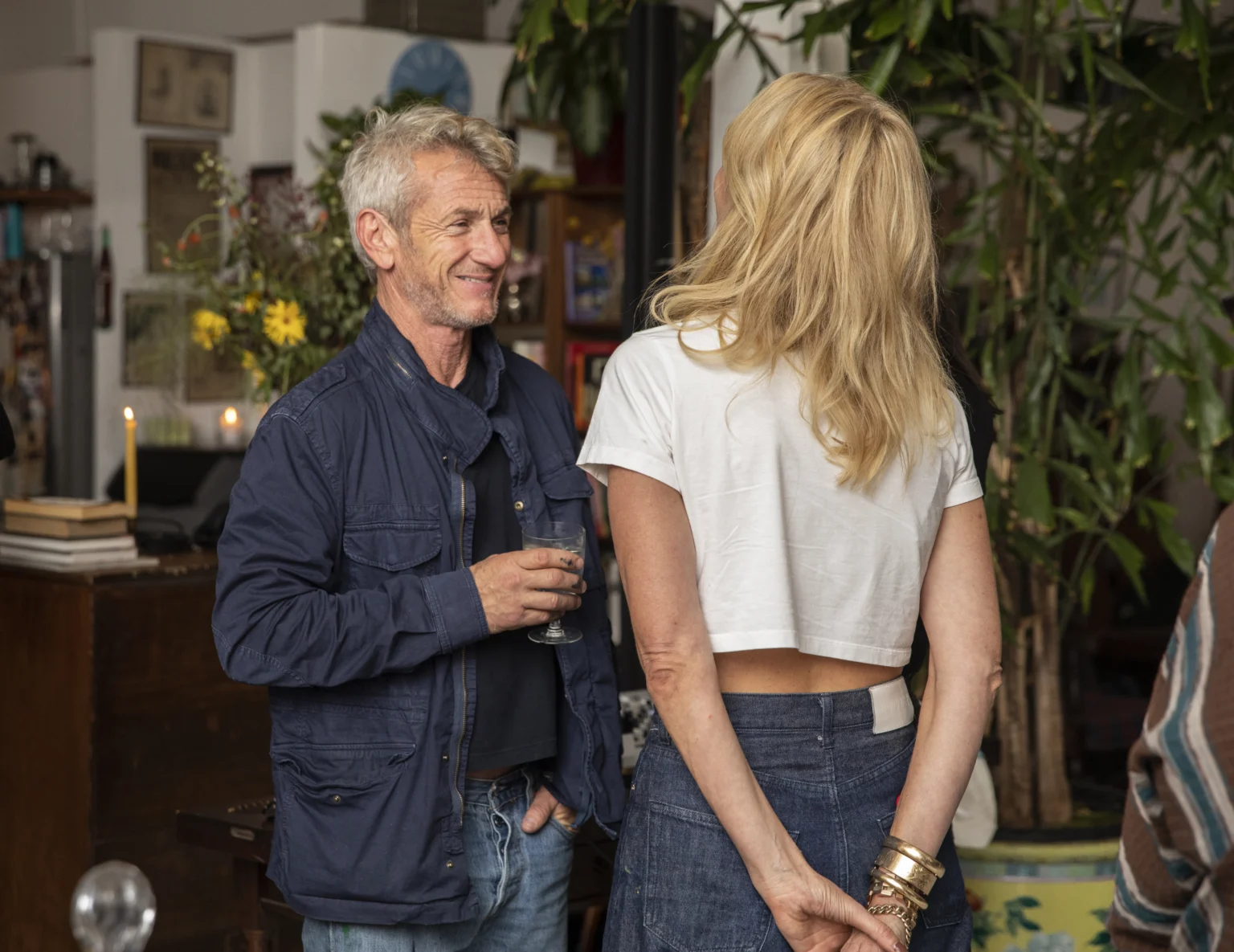
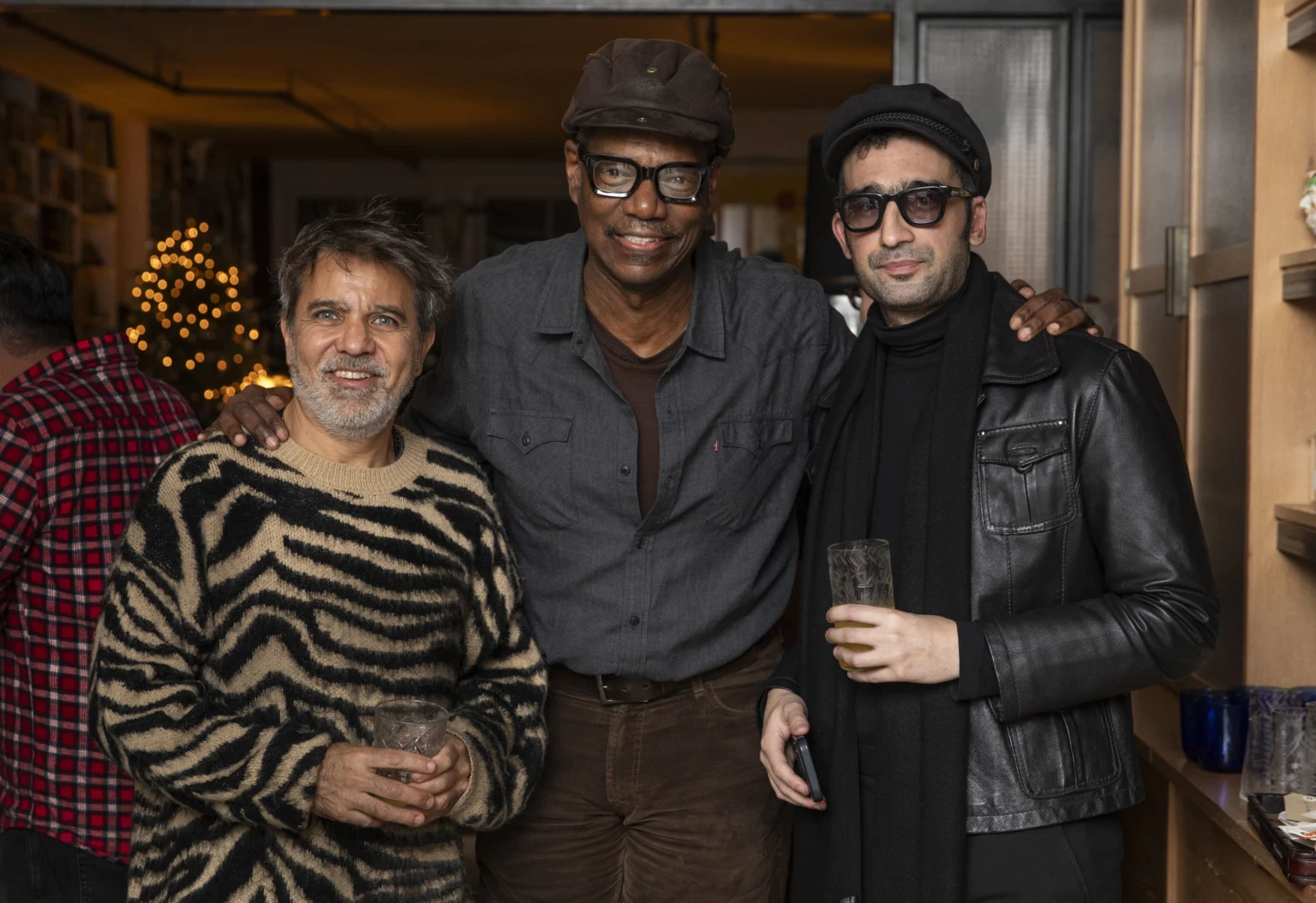
People who show up. People who show up for you and with whom you create experiences.
People who put in the IRL time. People who return your calls with enthusiasm. (And yes, get calling.)
People who tell you the truth when others just let it slide because they can’t be arsed otherwise.
People who make meaningful introductions generously.
People who steady you when your world feels wobbly.
And most importantly, people who expand your world, people you admire, and push you to be a better person.
That’s the moat. It isn’t built with posts or likes or story views; it’s built with presence in-person.
One of the most joyful and consequential ways I know to start building that lifelong moat is to host a salon. And then another. And another.
Not a one-off event, but to host people on the regular. It asks a lot of you: this isn’t for the apathetic or the lazy. But gathering friends is a real serotonin rush, and it feels good long term, ongoing, in that sated, I feel-good-inside way.
And, guess what? The effort can’t be automated.
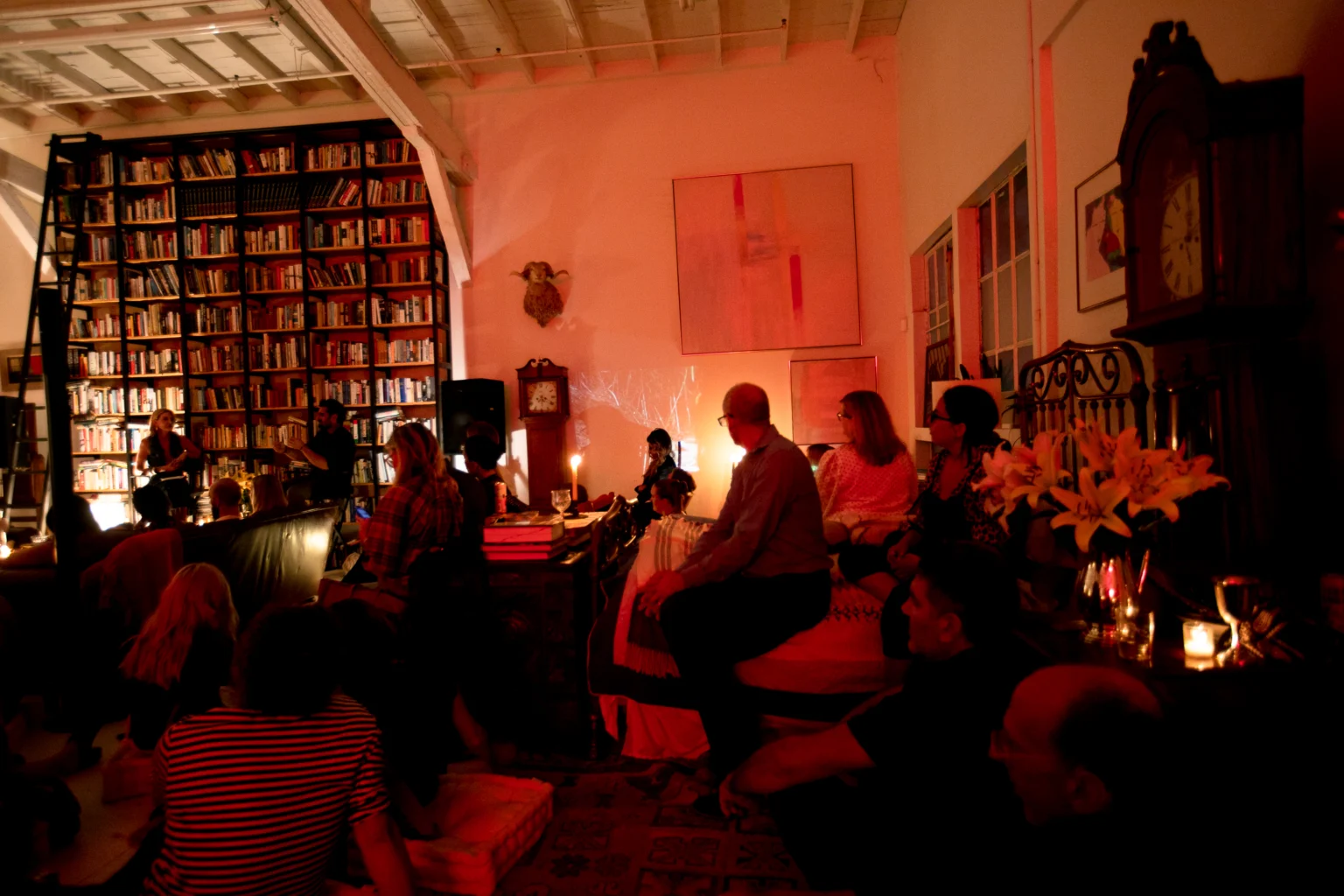
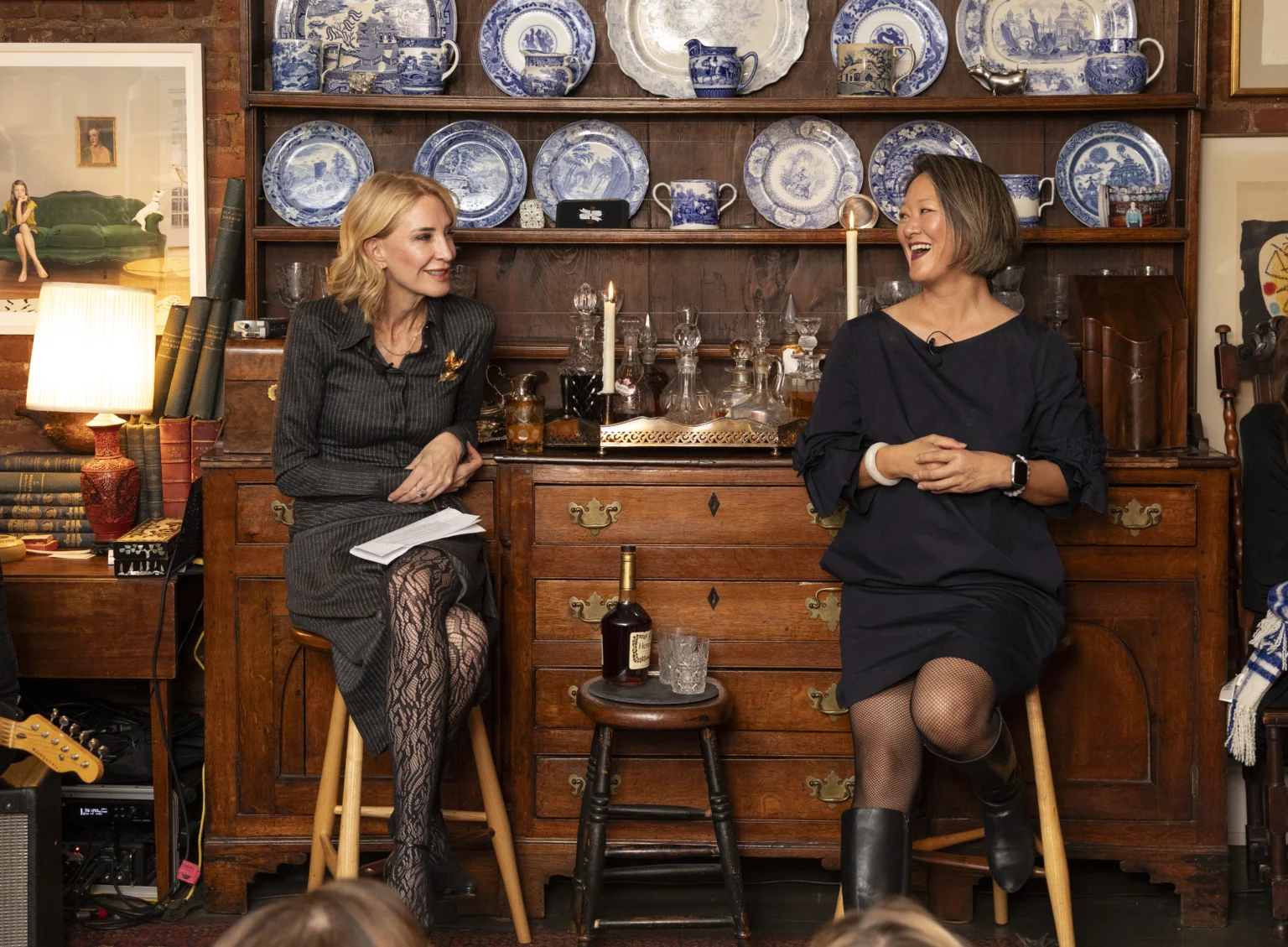
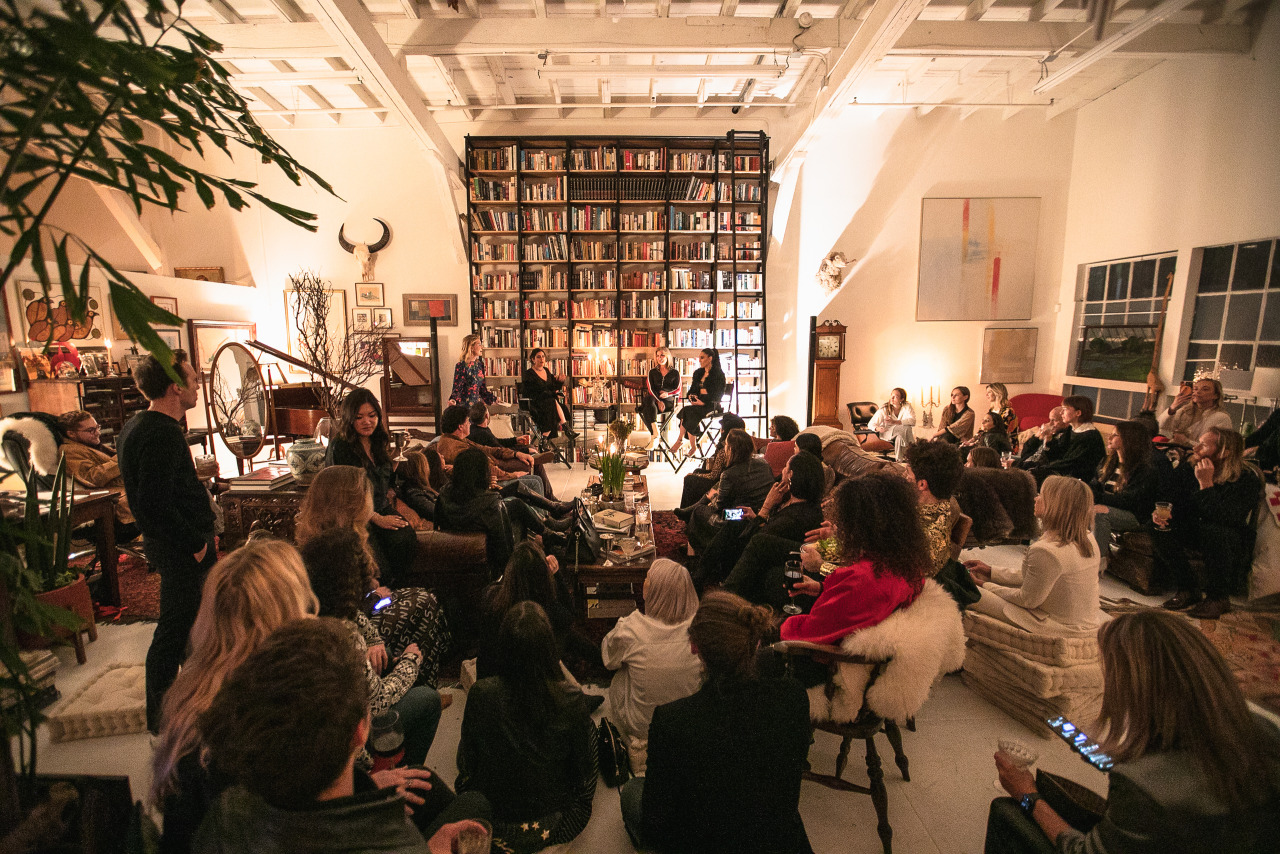
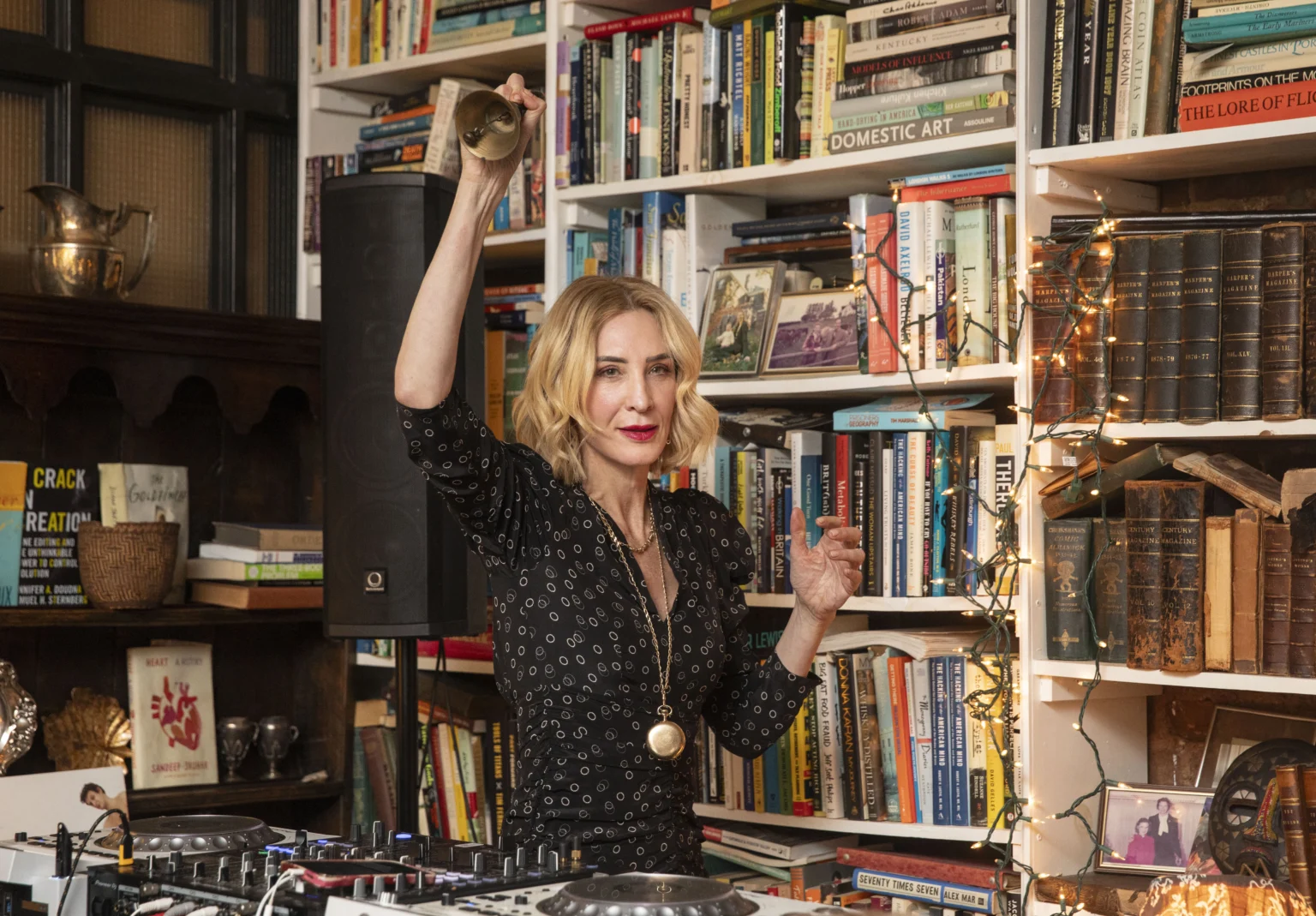
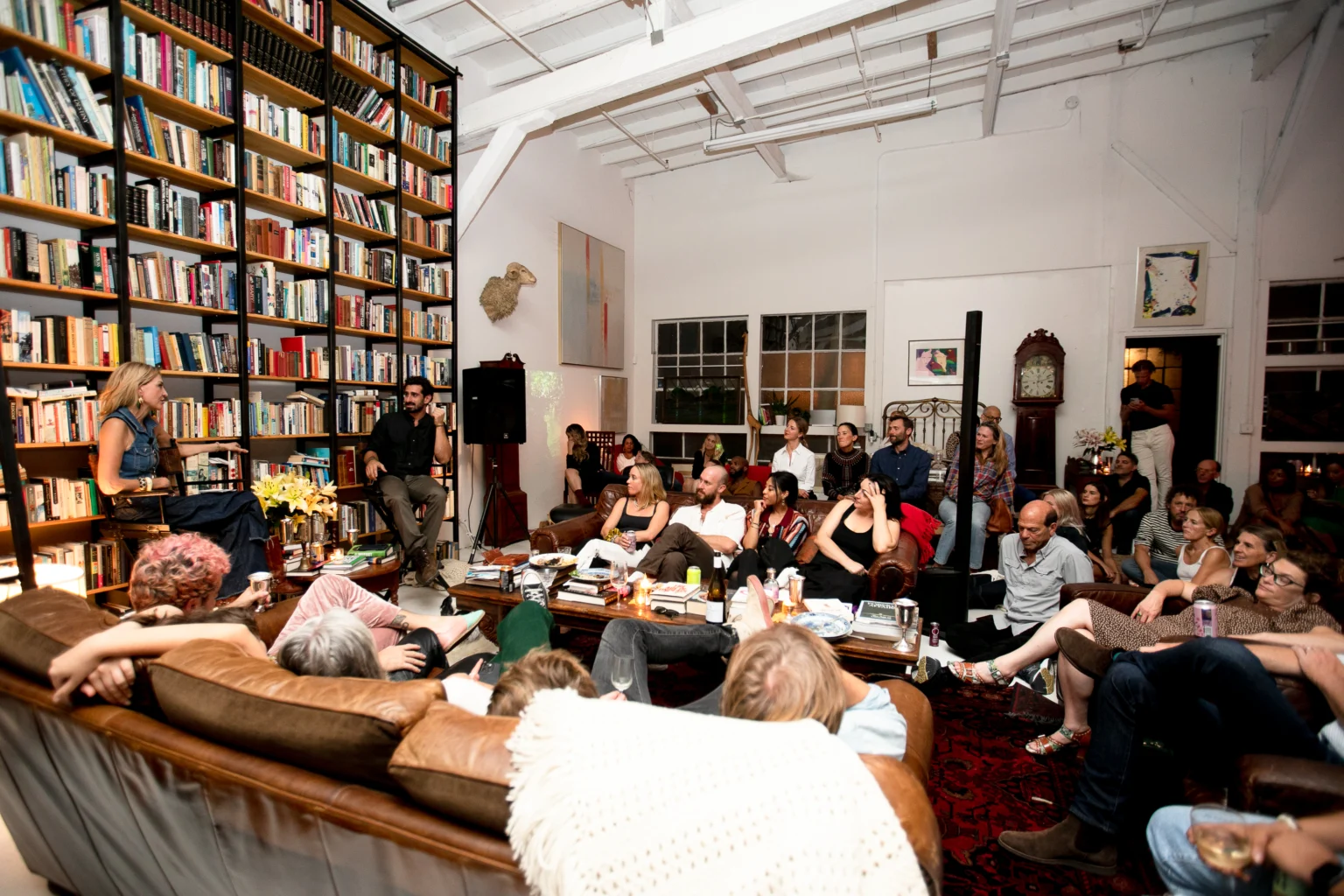
A salon is an intentional gathering of friends and friends-of-friends (usually in your home) organized around a theme that makes conversation inevitable.
A salon is a room designed for curiosity. A room where people can stop performing and start connecting.
It’s a party with an unpretentious intellectual heart with gold speckles of curiosity throughout .
And yes, salons are a little sexy but with no hint of depravity. Just proper fun.
In a “something interesting might actually happen here” way.
Why Do Salons Matter Now?
We have a digital economy built on shaky online community and bossy algorithms, much of which is really online audience-building with better lighting and filters and a bumptious sense of digital self.
We have conferences the size of small nations and the cost of a few months’ rent, where the best conversations happen on the far outer edge of the conference where the cool kids hang. And we have endless, perfectly tailored content that’s just right for our most obvious desires or hangups.
Of course people are lonely and feel a little empty inside with all these fleeting interactions.
So yes, it turns out that the most valuable skill in the AI era might be the ability to do something unfashionably human: Give people the chance to be heard and seen in real life.
AI can hold your late night confession. It can’t build your community. Dating apps can recommend who you should meet. AI cannot create the chemistry that makes the meeting play over and over in your head, the quirky nervous tick or charming response to something you inadvertently said.
AI can write the invitation. AI cannot convert the recipient into a guest. Only you can do that.
Maxims of the Moat
A post is a broadcast to the masses; a salon is a gift to the few.
The algorithm wants your attention; the host wants your presence.
You cannot prompt a trusted friendship into existence.
The moat isn’t built to keep people out; it’s built to pull your community closer.
An invitation
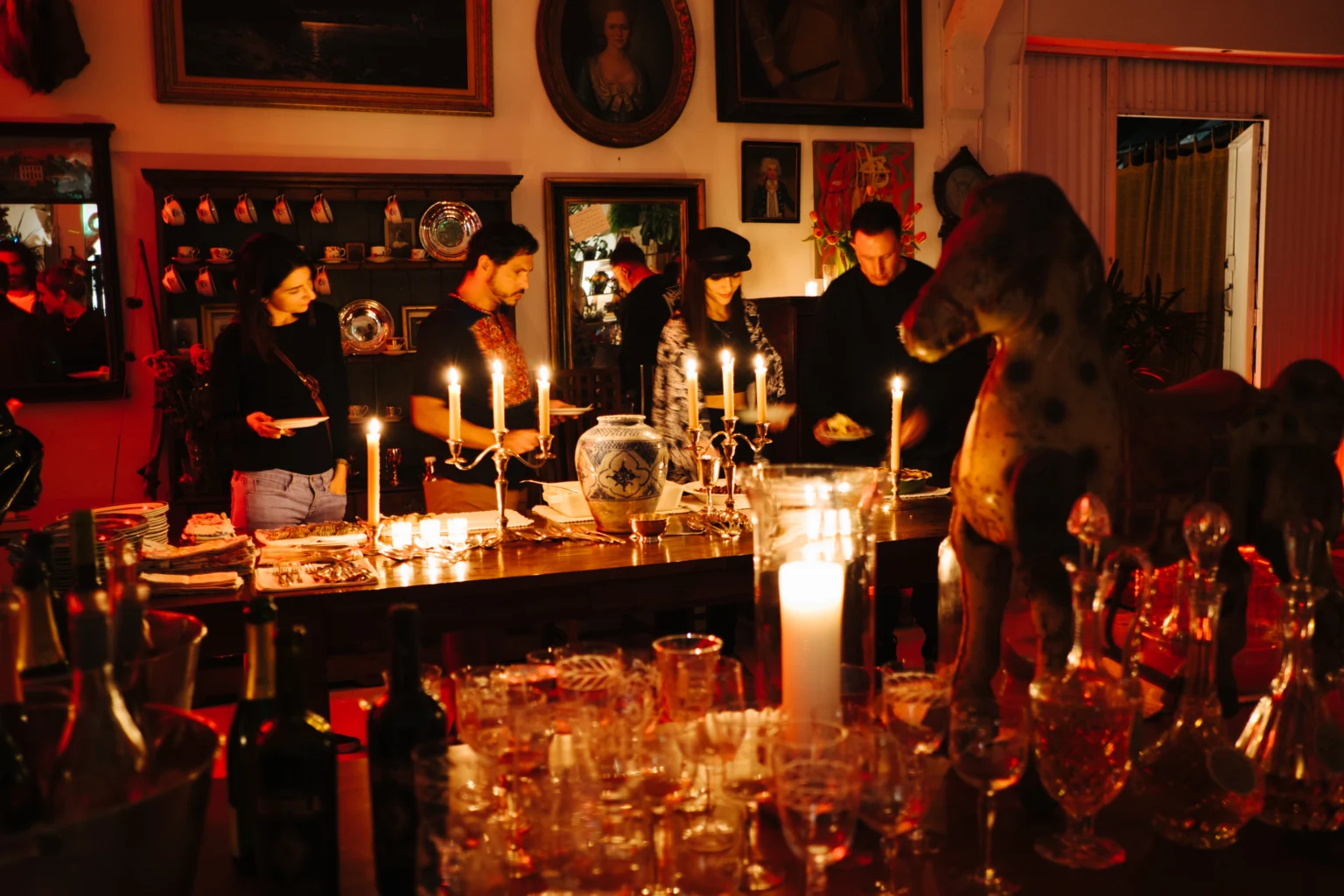
When did you last have a friend or two over for dinner? Or throw a house party? Or host a salon?
Not “we should.” Not “sometime.” Not “let’s plan.”
Actually over.
We’re all craving unique, meaningful experiences right now.
We are craving conversation that stirs us inside.
Your efforts to host and gather people will not only add to your life but will be so appreciated by those around you.
If every thoughtful person hosted just one or two imperfect, spirited gatherings a year—warm conversation, a theme, a little intention—we would feel the social fabric start to re-knit and loneliness and ennui would evaporate.
In an era of technophilia, being deeply human with other humans is no longer just charming.
It’s your human moat: trusted people who will have your back in the years ahead.