acf domain was triggered too early. This is usually an indicator for some code in the plugin or theme running too early. Translations should be loaded at the init action or later. Please see Debugging in WordPress for more information. (This message was added in version 6.7.0.) in /nas/content/live/thesalonhost/wp-includes/functions.php on line 6121look domain was triggered too early. This is usually an indicator for some code in the plugin or theme running too early. Translations should be loaded at the init action or later. Please see Debugging in WordPress for more information. (This message was added in version 6.7.0.) in /nas/content/live/thesalonhost/wp-includes/functions.php on line 6121We are connected, you and I by just a few degrees of separation. Throw my name into Twitch, Twitter, LinkedIn or Instagram, and you’ll go down the digital path that leads us to one other. I’d love to meet you IRL…
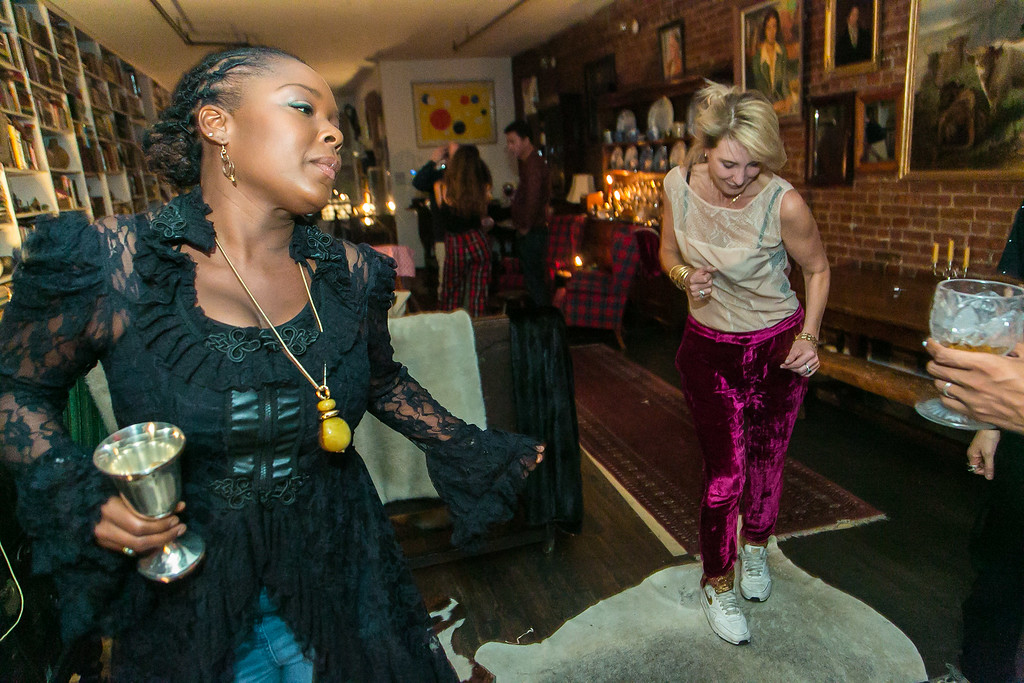
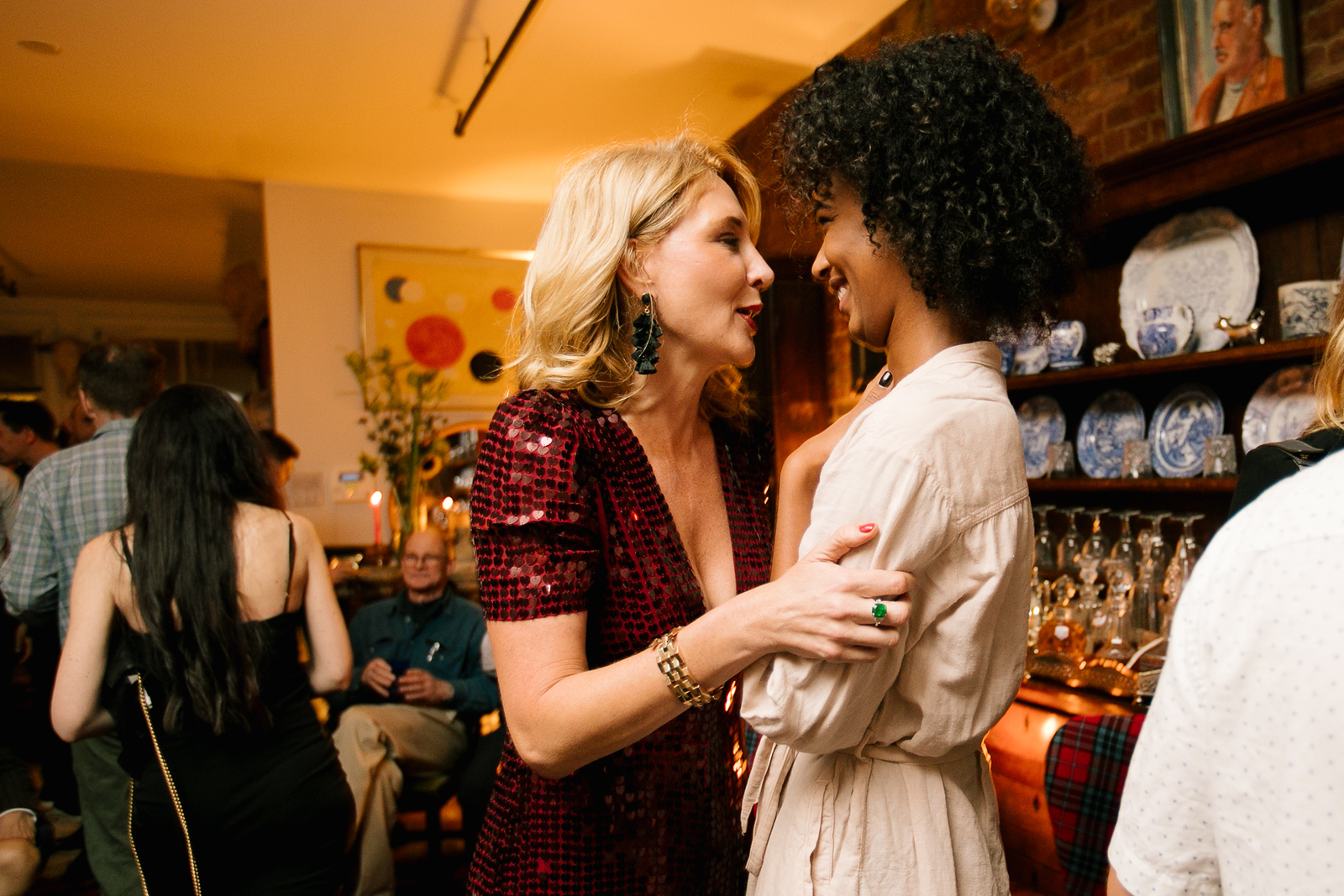
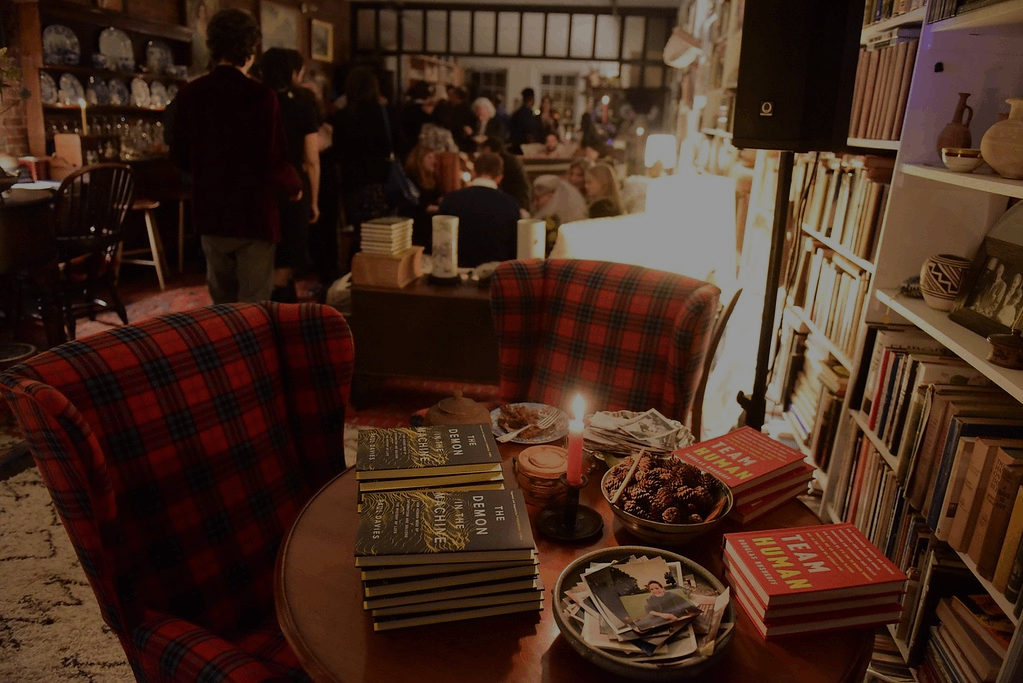
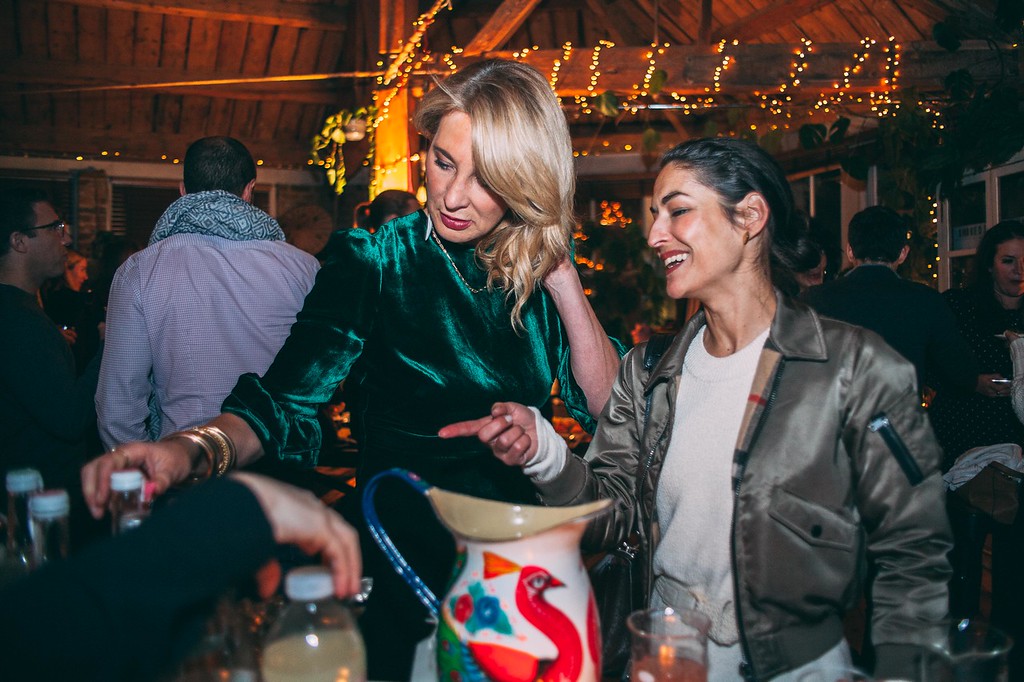
A salon is an intentional gathering of friends and friends of friends, most likely in your apartment or home. Mostly, a salon is good times with humans coming together for conversation and to eat, drink, talk and listen. Salons are a little sexy.
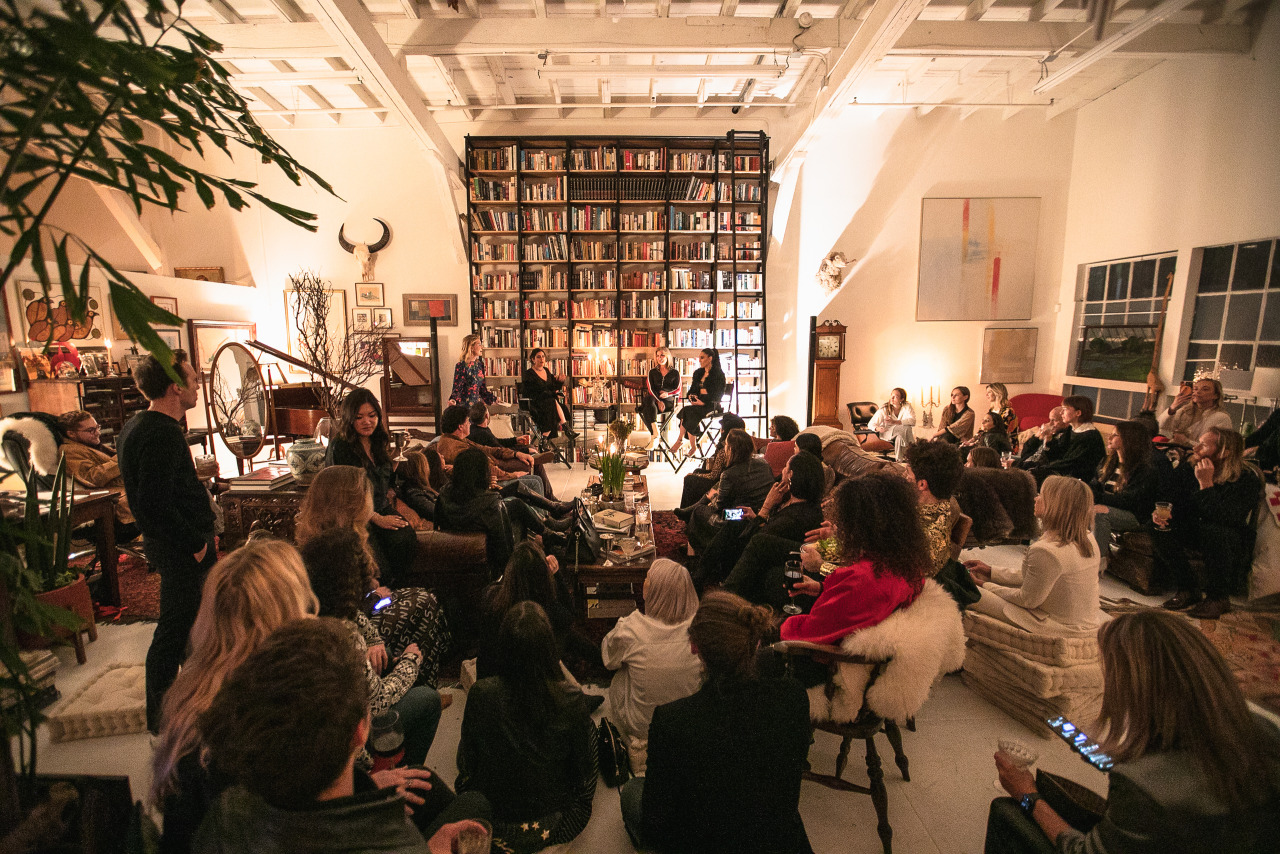
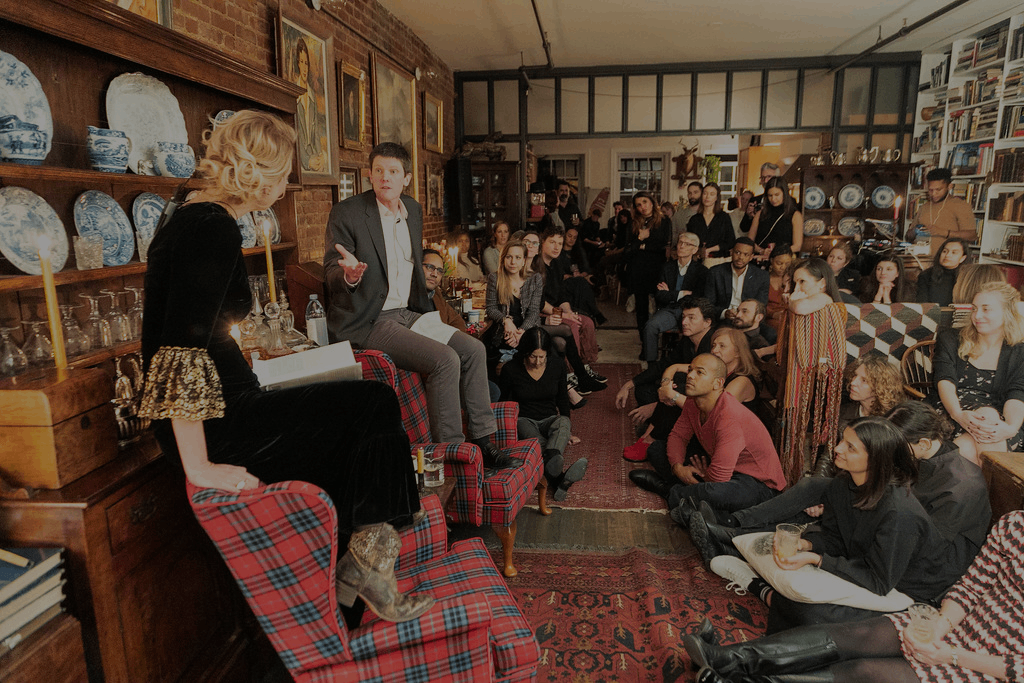
You choose a topic that you’d like to know more about and one that will appeal to folks from different worlds. Then you find someone who is an expert on the subject who lives locally (perhaps one of your friends or an author a filmmaker or a professor or a founder), and invite them to come over so that you can ask them some fireside chat-style questions about their work, life and the topic.
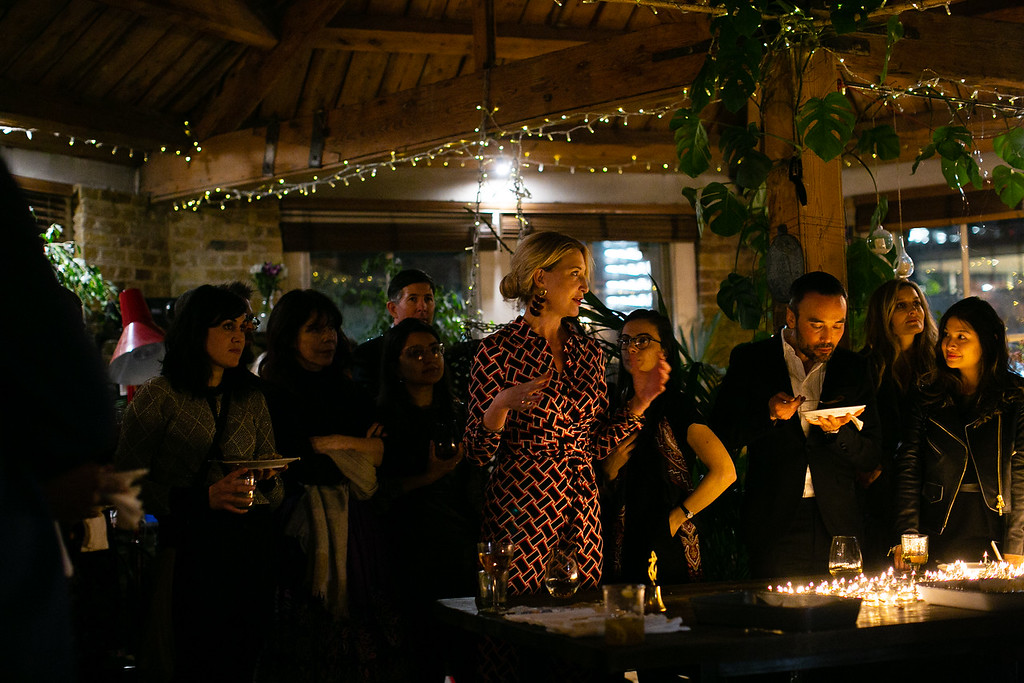
Next up, you invite your friends to come over. These guests are from all backgrounds and all ages, working in every imaginable field. You, the host, serve them unfussy food and drink. Perhaps it is all homemade but not necessarily. You keep it low stress. Let me repeat that: You keep it low stress.
I’ve been hosting salons for years – initially unintentionally, and now very much on purpose. There is a groundswell of enthusiasm rising behind me, because no one else does what I do so imperfectly or with such enthusiasm, And yet there is a hunger and a desire for what these salons bring to individuals and groups within a community. What started initially as a logical, organic way to put certain people in a room together (entrepreneurs with investors, CEOs with reporters, writers with filmmakers) while I was running various businesses (a PR agency, an online guide to San Francisco, a lifestyle brand) turned into its own thing with its own following.
Maybe “topic” is too strong a word but a THEME for the gathering is useful. It’s preferable. Because if you don’t, you’re just having another cocktail party. And we’ve all been to a ton of cocktail parties in our lives, and we are ready for something new that nourishes our soul, sparks our curiosity and connects us.
Yes, if you’re interviewing someone. The topic and the questions provide just a little bit of structure to the evening with a sprinkling of the unpredictable. They ensure that there is a purpose for your friends to come over beyond merely eating and drinking your food. Is it mandatory to have a guest expert? Mostly yes! Because a lot of guests (and I fall well into this category) do not want to have to be called on to have opinions and viewpoints in front of others after a long day at work.
You know your friends better than I do so if you want to gather and throw out some questions on a topic to the group at large, go for it. These evenings are more work because then you have to moderate ALL of your guests, not just one or two experts. (And we all know how some friends like to talk A LOT). Is it hard to find an expert? No! So few of us actually speak about our day-to-day work with our friends and yet I bet if you dig in a little bit amongst your circle of pals you’ll find that there are many experts amongst you. Start there.
One friend may be an expert in meditation and another may be a long-time entrepreneur, both providing excellent fodder for an evening’s conversation. There is a common theme of curiosity amongst all of the guests at a salon. We gather to learn more about a topic but we do it while we’re together and having fun. The vibe is still party but it’s not your same-old shindig. Guests rarely flake out last minute because they sense a bit of effort.
I’m at my happiest when I feel connected and part of a community. You probably are too. Sure, I love a bit of solitary, that’s healthy and normal. But I don’t want to be spending my nights and weekends scrolling through my phone out of laziness, apathy and just because it’s there.
Brands are throwing heaps of money at building one-off experiences that create emotional connections to lure customers to spend money as traditional brick-and-mortar retail flounders. Covid allowing, festivals and concerts will continue growing across the Western Hemisphere. In the past 10 years, festivals ranging from local small foodie fests to eSports to huge music festivals have grown significantly fueled by millennials who favor experiences over material goods.
But you don’t go to a festival and actually connect with other people whom you’ve never met before on any sort of intimate level. You go with your own friends and stick to your pack. Like with like. I love festivals. I go to be entertained, not connect in any meaningful way. Meanwhile the Information Economy is booming and people want to hear new ideas collectively, together in the same room, part of a community. Institutions such as TED (2015 revenues $66m), the Aspen Institute (2017 revenues $120m), Summit Series and Singularity University are growing year after year, as is their familiarity amongst the masses.
Most of us can’t afford to attend these exclusive gatherings, and so we listen to the TED talk online, probably alone, along with the other 400,000 people who watched it. Yet we are still curious and hungry for conversation, connection, and community.
Drumroll the murky world of online dating. At times the online world is mean and nasty, it’s certainly addictive, but frequently it’s lonely. Have you ever spent an hour cruising around on your phone from app to app, and thought at the end of it, wow, that was a great use of time, I feel wonderful? No. Me neither. As if that wasn’t enough, the online world is also fragmented, like hangs out with like. And those with differing opinions frequently yell at each other online, protected from the immediate aftermath such behavior provokes by the computer screen.
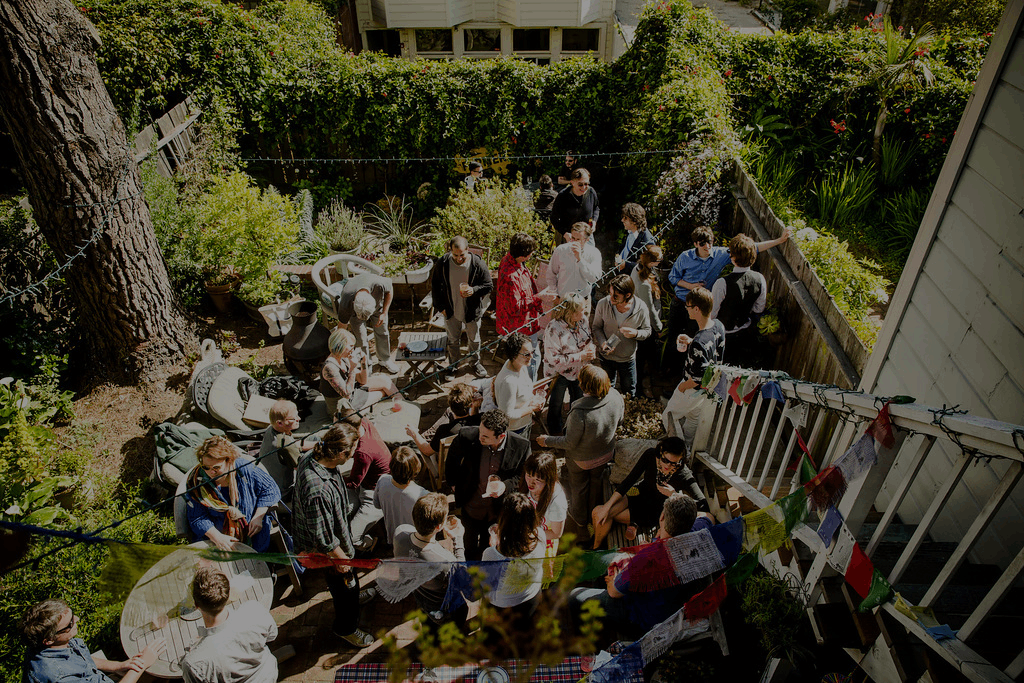
I know that if every person – starting with YOU – hosted a couple of imperfect, spirited gatherings with food and drink, warm conversation and live music throughout the year, we would change the world bit by bit in our communities. From crappy post-graduation apartments to rent-controlled lofts to wherever you live, bringing people together, YOUR people and your people’s people, we will change the world by providing the setting for people to really listen to each other, and learn from, and ENJOY each other’s company. And we’ll have a whole lot of laughs along the way, that I promise you. No whining about your tiny shoebox apartment or shuddering at the state of chaos your home is in. Viva dim candles.
Experience tells me that when you put people of different ages, eclectic backgrounds and a whole plethora of interests together in a room as guests, and you make just the tiniest bit of effort to host (consider it a gift to your friends, society, and yourself) and you engage people, magic happens. Barriers break down. Your guests listen to one another, ask each other questions, and marvel at the unlikely answers. Guests and hosts finish the evening feeling sated and happy, soaked in serotonin, a collective of humans, a community that is connected.
And holy smokes that’s what we need right now in the world. A lot more talking to each other face-to-face, understanding other viewpoints, listening, asking questions, being curious, and having FUN together.
Hosting salons can also impact your professional as well as your personal life. Hosting felt like a logical step for me. By hosting gatherings, you are influencing people and connecting with them emotionally. Companies see the value in that. My company, POSTHOC, via which we host salons for clients who are keen to tap into my network. received grants to build an eclectic community of curious influencers and opinion leaders from the Templeton World Charity Foundation. This was most unexpected (they approached me), and further proof that organizations are seeing the value in gathering people.